Our Story
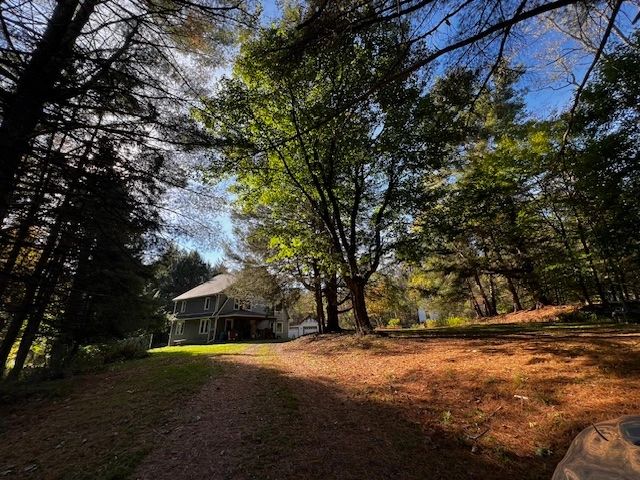
Good in the Hay is a record of restoration.
It began with land.
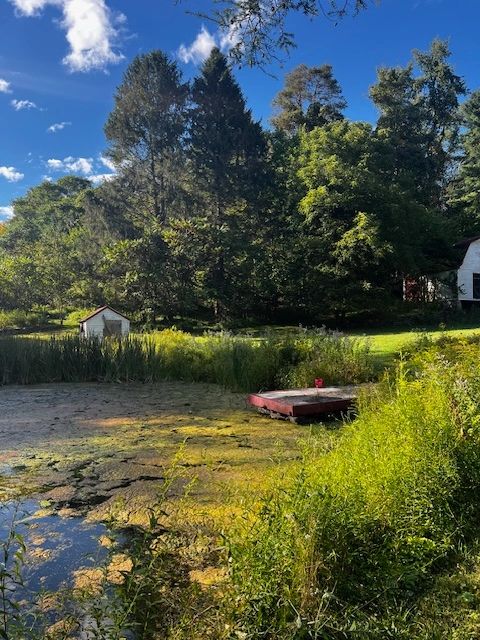
A pond, woods, worn structures, and a home that asked to be rebuilt slowly, with care.
But as the work unfolded, it became clear that this was not only about land or house.
It was about learning how to return—to a different pace, a different way of paying attention, a different way of living.
Here, restoration is not rushed.
It is observed, practiced, and lived.
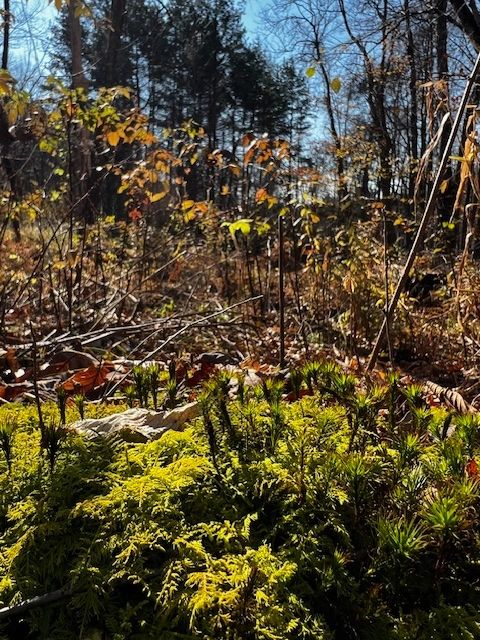
Each project—whether it is shaping trails through the woods, tending water, repairing a wall, or sitting still long enough to notice what has changed—becomes part of a larger process.
Not improvement.
Not optimization.
But a steady, honest rebuilding.
This place has a name. We call it Naturerest.
It is where the work happens.
And it is where the learning continues.
Who We Are
Our Mission
To reconnect people with a slower, more grounded way of living by documenting the real work of restoring land, home, and self.
Through quiet storytelling and practical reflection, Good in the Hay creates space for people to step out of constant motion and return to what matters.
Our Vision
To build a modern, attainable model of land-based living where restoration is not a trend, but a way of life.
Good in the Hay envisions a world where people:
- feel rooted in place
- trust slower timelines
- find meaning through tending, building, and noticing
- and understand that a well-lived life is not constructed quickly, but cultivated over time
The Land
In July of 1981, a professor from the University of Scranton lost his life here while working the land. He and his wife had invested themselves deeply in this place before us.
We honor that.
We believe in telling the truth of what came before.
In carrying forward not only the land—but the memory held within it.
Core Beliefs
We believe that restoring a home can help reconstruct a life.
We believe land, when cared for with patience, gives back more than it takes—offering perspective, clarity, and a different kind of knowledge.
We believe in slow seasons, quiet mornings, and unhurried afternoons.
In doing one thing, fully.
We believe that wholeness is not found in acceleration.
It is found in returning to nature, to craft, to presence, to self.
We believe creativity grows in stillness.
Not from urgency, but from space.
From boredom, curiosity, and attention.
We believe in putting down roots.
In knowing where we stand—and why.
We believe that when we tend to the land, the woods, the water, and the home…
they begin to tend to us.